


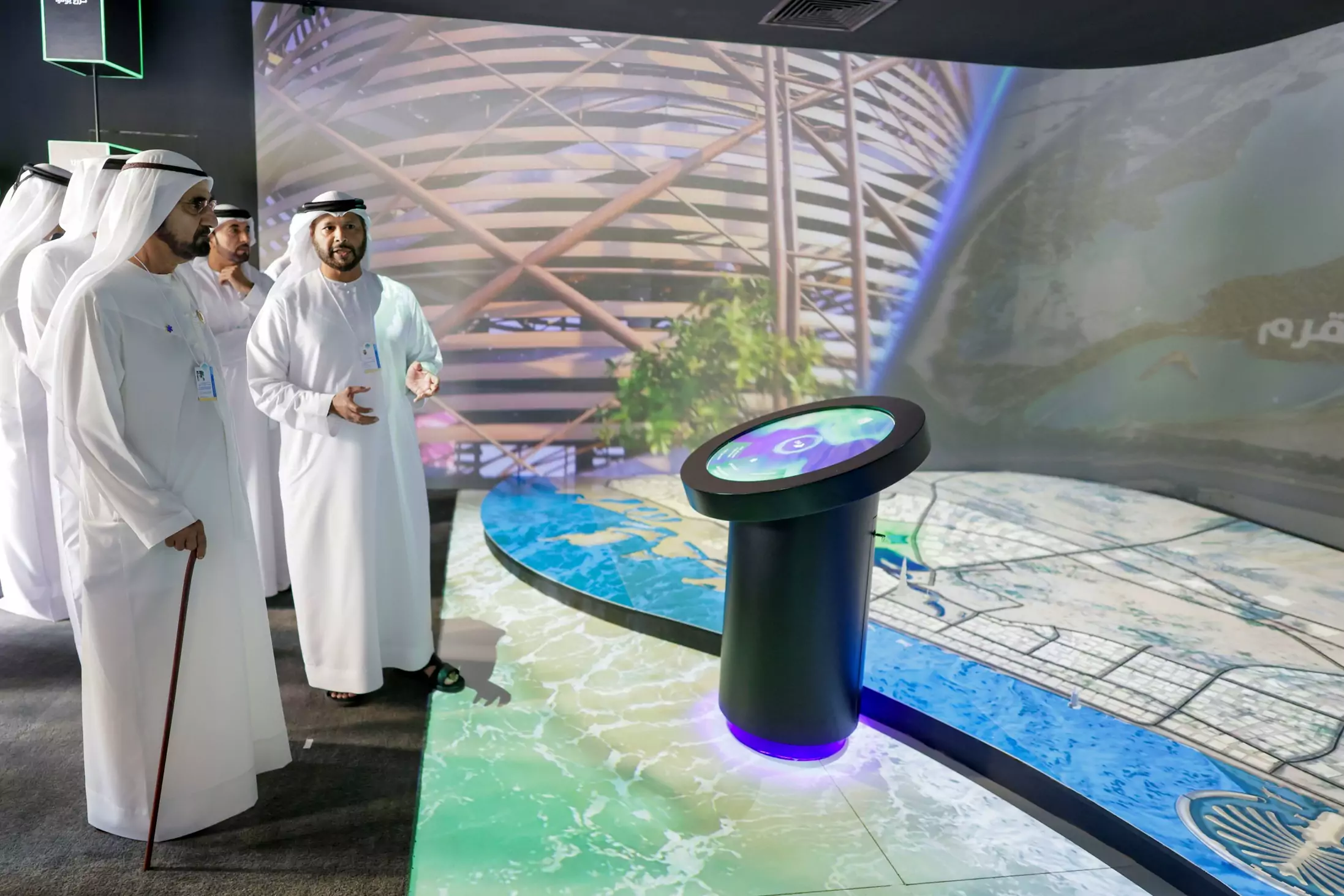
Dubai Blue and Green Spaces Roadmap 2030 Reviewed by Mohammed bin Rashid
Dubai has taken another major step toward sustainable urban development as Mohammed bin Rashid Al Maktoum reviewed the ambitious Dubai Blue and Green Spaces Roadmap 2030. The initiative, presented by Dubai Municipality, outlines a long-term strategy to expand parks, beaches, waterfront destinations, and environmentally friendly public spaces across the emirate.
The roadmap reflects Dubai’s broader commitment to enhancing quality of life while reinforcing its global reputation as a forward-thinking and sustainable city. By integrating natural landscapes into urban planning, the city aims to create healthier communities and a more resilient environment for future generations.
A Vision for Sustainable Urban Growth
The Dubai Blue and Green Spaces Roadmap 2030 is aligned with the emirate’s long-term sustainability strategies. As Dubai continues to grow rapidly, urban planning must balance infrastructure expansion with environmental preservation. The roadmap focuses on increasing access to green parks, landscaped areas, and blue waterfront zones to ensure residents remain closely connected to nature.
This vision is not limited to aesthetics. Green and blue spaces contribute significantly to environmental health by reducing urban heat, improving air quality, and supporting biodiversity. By embedding sustainability into city planning, Dubai is reinforcing its ambition to become one of the world’s most livable cities.
The review by Mohammed bin Rashid underscores the leadership’s priority on creating urban environments that enhance wellbeing alongside economic progress.
Expanding Parks, Beaches, and Waterfront Areas
One of the central pillars of the roadmap is the expansion and development of public parks and open spaces. Dubai Municipality’s strategy includes increasing the total area dedicated to recreational and landscaped zones, ensuring equitable distribution across residential communities.
In addition to parks, the roadmap places strong emphasis on coastal and waterfront development. Enhancing public beaches, marine areas, and water-linked recreational destinations supports both tourism and community engagement. These blue spaces are designed to offer safe, accessible environments for leisure activities while preserving marine ecosystems.
The integration of green corridors and pedestrian-friendly pathways will also improve connectivity between neighborhoods, encouraging walking, cycling, and outdoor activities.
Enhancing Quality of Life and Community Wellbeing
Urban green spaces are closely linked to physical and mental wellbeing. The Dubai Blue and Green Spaces Roadmap 2030 prioritizes creating inclusive areas where families, children, and individuals can relax, exercise, and socialize.
Well-designed parks and waterfronts foster stronger communities by providing shared gathering spaces. They also promote healthier lifestyles by encouraging outdoor recreation. With Dubai’s population continuing to grow, such initiatives ensure that infrastructure development does not come at the expense of public wellbeing.
The roadmap also considers accessibility, ensuring that residents across different districts have convenient access to natural spaces within a reasonable distance from their homes.
Supporting Environmental Resilience and Biodiversity
Beyond recreational value, the initiative strengthens Dubai’s environmental resilience. Expanding green coverage can help mitigate the urban heat island effect, reduce carbon emissions, and enhance stormwater management systems.
The roadmap incorporates sustainable landscaping practices, including water-efficient irrigation and the use of native plant species. These measures reduce environmental impact while preserving local biodiversity. By integrating ecological principles into urban design, Dubai is creating a balanced model of development that supports both people and the planet.
Blue spaces, including waterfront and marine zones, are equally important. Protecting coastal ecosystems while making them accessible ensures that environmental conservation remains a central priority.
Aligning with Dubai’s Long-Term Development Strategy
The Dubai Blue and Green Spaces Roadmap 2030 aligns with the emirate’s comprehensive development strategies, which emphasize innovation, sustainability, and global competitiveness. Infrastructure growth is being complemented by environmental planning to ensure balanced progress.
Dubai Municipality plays a key role in translating leadership vision into actionable projects. Through strategic planning and phased implementation, the roadmap sets measurable targets for expanding public spaces over the coming years.
By 2030, the initiative aims to significantly enhance green coverage and public access to waterfront destinations, reinforcing Dubai’s status as a model city for sustainable urban planning.
A Step Toward a Greener Future
The review of the Dubai Blue and Green Spaces Roadmap 2030 by Mohammed bin Rashid marks a pivotal moment in the emirate’s sustainability journey. It demonstrates a clear commitment to creating vibrant, accessible, and environmentally responsible public spaces.
As Dubai continues to evolve into a global hub for business, tourism, and innovation, initiatives like this ensure that growth remains people-centric and environmentally conscious. The expansion of parks, beaches, and waterfronts will not only enrich daily life for residents but also strengthen the city’s international appeal.
With strong leadership support and a clear strategic framework, Dubai’s Blue and Green Spaces Roadmap 2030 sets the foundation for a greener, healthier, and more sustainable urban future.