


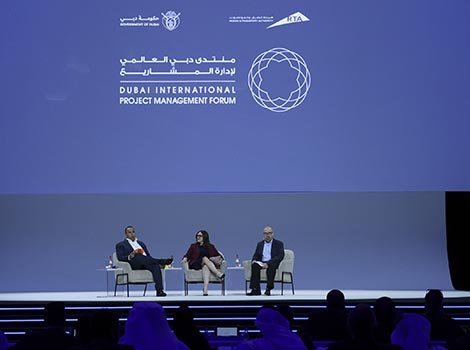
RTA Explores Agile Transformation to Revolutionize Capital Project Delivery in the Digital Era
In a rapidly evolving digital landscape, the need to modernize how large-scale infrastructure projects are planned and executed has become more critical than ever. The Roads and Transport Authority has taken a significant step in this direction by hosting an insightful debate focused on agile transformation and its role in revolutionizing capital project delivery in the digital era. This initiative highlights Dubai’s forward-thinking approach to infrastructure development, where innovation, efficiency, and adaptability are central to achieving long-term success. The Agile transformation capital project delivery Dubai discussion reflects a broader commitment to aligning project management practices with the demands of a smart, digitally driven city.
The debate brought together industry experts, project management professionals, and key stakeholders to explore how agile methodologies can reshape traditional approaches to capital project execution. As infrastructure projects grow in complexity, the adoption of flexible, data-driven frameworks becomes essential in ensuring timely delivery, cost efficiency, and improved outcomes.
Rethinking Traditional Project Management Models
One of the central themes of the debate was the need to move beyond conventional project management models that often rely on rigid planning structures. In the context of large-scale infrastructure projects, traditional approaches can sometimes limit adaptability and slow down decision-making processes. The discussion emphasized how agile methodologies offer a more dynamic alternative, enabling teams to respond quickly to changes, integrate new technologies, and continuously improve project outcomes.
Agile transformation focuses on breaking down complex projects into manageable phases, allowing for iterative progress and real-time adjustments. This approach not only enhances flexibility but also improves collaboration among stakeholders, ensuring that all parties remain aligned throughout the project lifecycle. For an organization like the RTA, which manages some of the most ambitious infrastructure projects in the region, adopting agile practices represents a strategic shift toward greater efficiency and innovation.
Leveraging Digital Technologies for Smarter Delivery
The integration of digital technologies was a key focus of the agile transformation debate. Participants highlighted how tools such as data analytics, artificial intelligence, and digital twins are transforming the way projects are designed, monitored, and delivered. These technologies enable real-time insights, predictive analysis, and enhanced decision-making, allowing project teams to identify potential challenges before they escalate.
In the context of Dubai’s smart city vision, digital transformation plays a vital role in shaping the future of infrastructure development. By combining agile methodologies with advanced digital tools, the RTA aims to create a more responsive and efficient project delivery ecosystem. This approach not only improves operational performance but also supports the development of sustainable and resilient infrastructure.
The discussion also underscored the importance of integrating digital platforms across all stages of project delivery. From initial planning and design to construction and maintenance, a unified digital framework ensures seamless communication and data sharing among stakeholders. This level of integration is essential for achieving the high standards of efficiency and innovation that define Dubai’s infrastructure projects.
Enhancing Collaboration and Stakeholder Engagement
Another important aspect of the debate was the role of collaboration in successful project delivery. Agile methodologies emphasize continuous communication and collaboration among project teams, stakeholders, and decision-makers. This approach helps create a more inclusive and transparent project environment, where feedback is actively incorporated into the development process.
For the RTA, fostering collaboration is particularly important given the scale and complexity of its projects. By adopting agile practices, the authority can enhance coordination between various departments, contractors, and external partners. This not only improves project outcomes but also strengthens relationships across the entire project ecosystem.
The debate also highlighted how improved stakeholder engagement contributes to better decision-making. When all parties are actively involved in the process, it becomes easier to address challenges, align objectives, and ensure that projects meet the needs of the community. This collaborative approach is essential for delivering infrastructure that supports Dubai’s growing population and evolving urban landscape.
Aligning with Dubai’s Vision for a Smart and Sustainable Future
The Agile transformation capital project delivery Dubai initiative aligns closely with the emirate’s broader vision of becoming a global leader in smart city development. Dubai has consistently demonstrated its commitment to innovation, sustainability, and excellence in infrastructure, and the adoption of agile methodologies represents another step forward in this journey.
By embracing agile transformation, the RTA is positioning itself at the forefront of project management innovation. This approach supports the development of infrastructure that is not only efficient and cost-effective but also adaptable to future needs. As cities around the world face increasing challenges related to urbanization, climate change, and technological disruption, the ability to deliver projects in a flexible and responsive manner becomes a key competitive advantage.
The debate also reinforced the importance of continuous learning and improvement in project management practices. As new technologies and methodologies emerge, organizations must remain open to change and willing to adapt their strategies. This mindset is essential for maintaining leadership in a rapidly evolving global landscape.
Building the Future of Infrastructure Through Agile Innovation
The insights shared during the agile transformation debate highlight a clear shift toward more innovative and flexible approaches to capital project delivery. By integrating agile methodologies with digital technologies, the Roads and Transport Authority Dubai is creating a framework that supports faster, smarter, and more efficient project execution.
This transformation is expected to have a lasting impact on how infrastructure projects are delivered in Dubai. From improved timelines and cost management to enhanced quality and sustainability, the benefits of agile project management are significant. As the RTA continues to implement these practices, it sets a benchmark for other organizations in the region and beyond.
A Forward-Looking Approach to Project Delivery Excellence
The Agile transformation capital project delivery Dubai initiative represents a bold step toward redefining infrastructure development in the digital era. By fostering innovation, enhancing collaboration, and leveraging advanced technologies, the RTA is building a future-ready approach to project management that aligns with Dubai’s ambitious vision.
As the city continues to grow and evolve, the ability to deliver complex projects efficiently and effectively will remain a top priority. The insights gained from this debate provide a valuable roadmap for achieving these goals, ensuring that Dubai remains at the forefront of global infrastructure innovation.
Ultimately, the RTA’s commitment to agile transformation reflects a broader dedication to excellence, adaptability, and continuous improvement. By embracing these principles, the authority is not only enhancing its own capabilities but also contributing to the development of a smarter, more sustainable urban environment for future generations.