


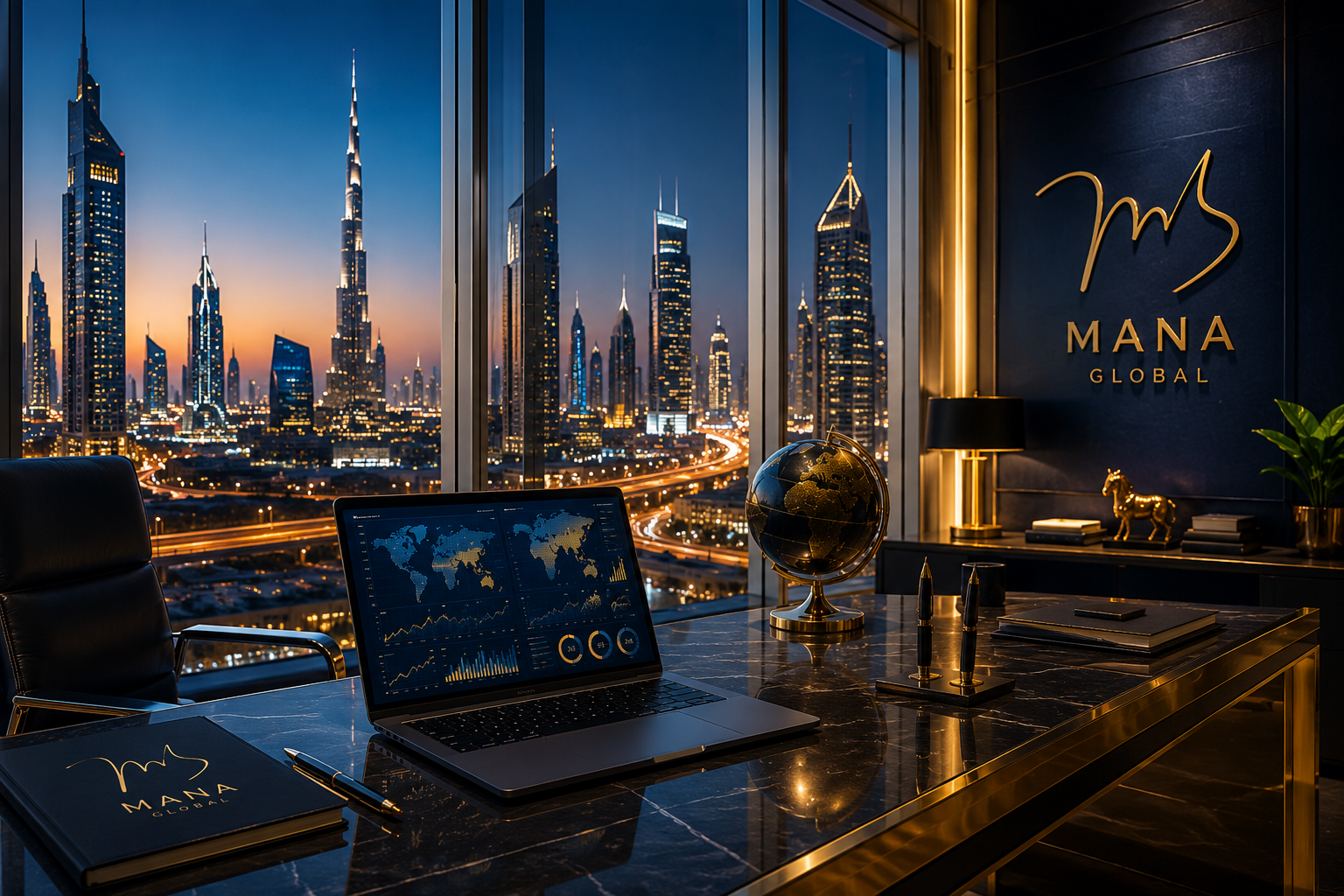
The UAE’s Rising Position in Global Business Expansion
The United Arab Emirates has emerged as one of the world’s most influential destinations for international commerce, investment, and entrepreneurship. Over the past two decades, the country has transformed itself from a regional trading economy into a globally connected business powerhouse driven by innovation, infrastructure development, strategic policy reforms, and economic diversification. Today, companies evaluating UAE business expansion opportunities increasingly view the country as a critical gateway connecting international markets across the Middle East, Africa, Europe, and Asia. This transformation has positioned the UAE as more than a regional commercial centre; it has become a strategic global business hub capable of supporting multinational corporations, startups, investors, and expanding enterprises across industries.
Global economic trends continue reshaping how businesses approach international growth strategies. Companies are seeking markets that combine political stability, advanced infrastructure, efficient regulation, and access to emerging consumer economies. In this environment, the UAE offers a highly attractive business ecosystem supported by government-driven modernization initiatives and long-term economic planning. Organizations exploring global business opportunities in UAE markets are increasingly attracted by the country’s ability to combine operational efficiency with international connectivity, making it one of the most competitive expansion destinations worldwide.
Strategic Geographic Position Strengthens International Connectivity
One of the most important reasons why UAE for business expansion remains such a compelling proposition is its strategic geographic location. Positioned between Europe, Asia, and Africa, the UAE functions as a global commercial bridge connecting some of the world’s fastest-growing economies. This location enables businesses to access billions of consumers within relatively short travel and shipping distances, significantly enhancing international trade efficiency and regional market reach.
Dubai and Abu Dhabi have developed world-class aviation and logistics infrastructure capable of supporting high-volume international commerce. Airports such as Dubai International Airport and Al Maktoum International Airport connect businesses to major global markets through extensive passenger and cargo networks. Simultaneously, seaports including Jebel Ali Port continue serving as critical trade gateways facilitating import-export operations across global supply chains.
For multinational corporations, geographic positioning directly influences operational speed, customer access, and distribution efficiency. Businesses establishing regional headquarters in the UAE can coordinate operations across multiple continents while benefiting from advanced transportation infrastructure and streamlined customs procedures. This connectivity significantly reduces logistical barriers that often complicate international business expansion strategies in other markets.
The UAE’s location also strengthens its role as a meeting point for global investors, entrepreneurs, and commercial partnerships. International conferences, exhibitions, and business summits hosted throughout the country continue attracting decision-makers from around the world, reinforcing the UAE’s position within global commerce networks.
Business-Friendly Regulations and Economic Policies
The UAE’s regulatory environment remains one of the strongest competitive advantages supporting business expansion strategies UAE companies pursue. Government authorities have consistently implemented reforms designed to simplify company formation, encourage foreign investment, and improve commercial transparency. These reforms reflect a broader economic strategy aimed at positioning the UAE among the world’s leading business destinations.
One of the most attractive aspects of the UAE business environment is its investor-friendly legal framework. Foreign ownership regulations have evolved significantly in recent years, allowing international investors greater operational control across many sectors. Free zones throughout the UAE provide additional advantages including tax incentives, simplified licensing procedures, and sector-focused business ecosystems designed to attract global enterprises.
Corporate taxation policies remain comparatively competitive relative to many international markets. Although the UAE introduced corporate tax regulations for qualifying businesses, the overall tax environment continues offering significant advantages for companies seeking efficient operational structures and long-term profitability. Combined with extensive double taxation agreements and modern banking infrastructure, these policies strengthen the UAE’s appeal for multinational expansion.
Regulatory efficiency also contributes significantly to business competitiveness. Digital government services, streamlined licensing systems, and transparent compliance procedures reduce administrative burdens for businesses operating within the country. This operational efficiency allows entrepreneurs and corporations to focus more effectively on growth, innovation, and market development rather than bureaucratic complexity.
Infrastructure Development Supports Long-Term Growth
Infrastructure investment has played a central role in the UAE’s economic transformation and continues strengthening its position as a business hub. The country has consistently invested in transportation systems, telecommunications networks, commercial real estate, energy infrastructure, and smart city development to support long-term economic growth and international competitiveness.
Modern office districts such as Dubai International Financial Centre, Abu Dhabi Global Market, and Dubai Internet City provide advanced business environments tailored to multinational corporations, financial institutions, technology companies, and startups. These ecosystems encourage collaboration, innovation, and strategic networking while offering businesses access to world-class facilities and regulatory support.
The UAE’s digital infrastructure is equally important in today’s increasingly technology-driven economy. High internet penetration rates, advanced telecommunications systems, and investments in artificial intelligence, blockchain, and smart technologies continue positioning the country as a leader in digital transformation. Businesses expanding into the UAE benefit from infrastructure capable of supporting data-intensive operations, digital commerce, and remote business models.
Transportation infrastructure further strengthens economic productivity by improving mobility, reducing logistics costs, and supporting tourism growth. Projects involving urban transit systems, highways, ports, and airports contribute directly to operational efficiency for businesses across sectors including logistics, retail, hospitality, manufacturing, and e-commerce.
The government’s long-term infrastructure planning demonstrates a commitment to sustaining economic growth while adapting to evolving commercial and technological trends. Companies seeking stability and future-ready operational environments increasingly recognize the UAE’s infrastructure ecosystem as a significant strategic advantage.
Economic Diversification Creates Broader Market Opportunities
Historically associated with oil revenues, the UAE has successfully diversified its economy into sectors including tourism, finance, technology, renewable energy, logistics, healthcare, real estate, manufacturing, and professional services. This diversification strategy has reduced dependence on hydrocarbons while creating broader opportunities for international businesses entering the market.
Tourism remains a major economic driver attracting millions of international visitors annually and supporting industries such as hospitality, retail, entertainment, aviation, and food services. Simultaneously, the financial services sector continues expanding through institutions, fintech innovation, and investment activity centered in Dubai and Abu Dhabi.
Technology and digital transformation initiatives have become increasingly important within the UAE’s economic agenda. Government-backed innovation programs, startup accelerators, and investment incentives continue attracting entrepreneurs and technology firms focused on artificial intelligence, cybersecurity, fintech, healthtech, and e-commerce.
Renewable energy and sustainability initiatives also contribute to emerging business opportunities. Large-scale investments in clean energy infrastructure and environmental innovation reflect the UAE’s ambition to position itself as a leader in sustainable economic development. Businesses aligned with environmental technologies and sustainability solutions may find significant long-term opportunities within the country’s evolving economic landscape.
Economic diversification enhances market resilience while reducing sector concentration risks for businesses operating within the UAE. Companies expanding into diversified economies are generally better positioned to navigate global market fluctuations and industry-specific disruptions.
Access to International Talent and Skilled Workforce
A highly diverse workforce represents another important factor supporting global business opportunities in UAE markets. The country attracts skilled professionals, entrepreneurs, consultants, engineers, financial experts, and technology specialists from around the world. This international talent ecosystem strengthens innovation, operational capability, and cross-cultural business collaboration.
The UAE’s multicultural environment enables businesses to recruit employees with global experience and multilingual communication skills. This diversity becomes particularly valuable for companies managing regional operations across different international markets. Businesses can build teams capable of understanding local cultural dynamics while maintaining global operational standards.
Government initiatives supporting long-term residency options, remote work programs, and entrepreneurship visas further enhance the UAE’s ability to attract and retain international talent. These policies contribute to workforce stability while encouraging innovation and knowledge transfer across industries.
Educational institutions, professional training programs, and international universities operating within the UAE also support workforce development by preparing professionals for emerging sectors and technological transformation. Access to skilled labor remains a critical factor influencing expansion success, and the UAE continues strengthening its competitive position in this area.
Strategic Partnerships and International Trade Advantages
Partnership opportunities represent another major advantage for businesses expanding into the UAE. The country’s role as a global business meeting point creates extensive networking and collaboration opportunities across industries. International exhibitions, trade shows, investment forums, and business conferences hosted throughout the year facilitate strategic relationship-building among investors, suppliers, entrepreneurs, and multinational corporations.
Trade agreements and economic partnerships further strengthen the UAE’s international business environment. Companies operating within the UAE often gain improved access to regional markets and international trade corridors, enhancing export potential and market diversification opportunities.
The UAE’s reputation for political stability and economic reliability also increases investor confidence. In regions where geopolitical uncertainty can affect commercial operations, businesses often prioritize markets capable of offering predictable regulatory environments and long-term economic security. This stability contributes directly to the UAE’s attractiveness as a regional headquarters location for international corporations.
Strategic partnerships between government entities and private sector organizations continue driving innovation and infrastructure development across the country. Businesses entering the UAE market frequently benefit from collaborative ecosystems designed to encourage investment, entrepreneurship, and economic modernization.
The UAE’s Future Role in Global Commerce
As global economic dynamics continue evolving, the UAE appears increasingly positioned to play a central role within future international trade and investment networks. Emerging technologies, digital economies, sustainability priorities, and shifting supply chain strategies are reshaping how businesses approach expansion decisions worldwide.
The UAE’s proactive economic policies and long-term strategic planning provide a strong foundation for continued growth within this changing environment. Investments in artificial intelligence, logistics modernization, renewable energy, smart cities, and advanced manufacturing suggest the country intends to remain at the forefront of global economic transformation.
International companies seeking future-oriented expansion destinations are increasingly drawn to markets capable of combining infrastructure quality, technological readiness, policy stability, and international connectivity. The UAE consistently demonstrates strength across all of these categories, reinforcing its reputation as one of the world’s most competitive business ecosystems.
Final Thoughts on UAE Business Expansion
The UAE’s rise as a global business hub reflects decades of strategic planning, infrastructure investment, economic diversification, and policy innovation. Companies evaluating UAE business expansion opportunities benefit from a uniquely positioned market offering international connectivity, regulatory efficiency, advanced infrastructure, skilled talent access, and strong economic stability.
As international commerce becomes increasingly interconnected and technology-driven, businesses require expansion destinations capable of supporting both immediate operational needs and long-term strategic growth. The UAE’s ability to combine modern infrastructure with business-friendly regulations and global market access makes it one of the most attractive locations for international expansion.
Organizations pursuing sustainable global growth strategies are likely to continue viewing the UAE as a critical gateway for regional and international business development. Whether supporting multinational headquarters, startup innovation, logistics operations, or investment expansion, the UAE remains exceptionally well-positioned to shape the future of global commerce in the years ahead.
© 2026 Mana Global. All rights reserved.